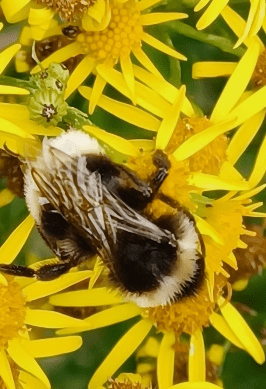
The planet is facing not only the climate breakdown but also the collapse of biodiversity. The UK has lost around 50% of its abundance and distribution. The reasons for the collapse in biodiversity include loss of habitat, pollution, urbanisation, fragmentation of habitats and the intensification of agriculture.
But it is possible to help improve the situation help reverse the collapse. The RHS estimate that there are 729k hectares of domestic gardens in the UK, more than all the National Nature Reserves put together. If they all had some habitat and management regimes of benefit to wild life they could make a huge contribution to reversing biodiversity loss. And yes, even if you only have a window box, you too can make a difference.
Here are some suggestions of what you can do.
1. Plant native trees and shrubs
Trees and shrubs provide food and shelter for a greater number of different species than non-native trees and shrubs. Small native trees suitable for a garden include crab apple, hazel and hawthorn.
Providing different heights of trees, shrubs and plants mimics a woodland edge which has a high biodiversity value.
Fences can have climbing plants on them or trained fruit trees both of which provide shelter behind them. Climbing plants provide nesting sites for birds. Ivy is an important source of food in the winter months.
2. Plant native wildflowers
Planting some native wildflowers allows more insects at be able to fulfil their whole life cycle in the garden. Of course there are non-native species that you could plant and look great but remember insects, beetles and butterflies and plant those that are insect friendly providing nectar and pollen for adult insects. If you can, have a range of plants that flower at different times from late winter through to late autumn so that pollen and nectar is provided for as long as possible and to a range of different species.
3. Your lawn can be a great habitat
If you are lucky enough to have a lawned area then it is helpful to wildflife to have some areas of longer grass and some shorter. Have some areas that you cut occasionally and some are cut regularly. Rather than having hard edges between the lawn and border allow them to be soft and long. Amphibians, and many insects such as ground beetles can shelter there (and amphibians eat slugs!). In gardens it can be helpful to leave the grass cuttings on areas that are regularly mown. This helps improve the soil structure beneath which in turn improves the creatures in the soil. These then provide food for birds eg. Leather jackets (the larva of crane flies) for starlings and worms for blackbirds and thrushes.
Letting leaves remain on the lawn in the regularly mown areas also helps to improve the soil. Earthworms pull leaves into their burrows and eat them.
3. Keep soil covered
Areas of open soil have little wildlife value and are not good for the soil. Soil benefits from plant roots, shade and moisture retention by leaf cover. This also provides shelter and food for wildlife. Leaving bare soil decreases its ability to absorb water which means watering more often during dry periods. It also means there are greater fluctuations in soil temperature which makes it much more difficult for wildlife such as worms to thrive. Bare soil also means that when it does rain the border is much more susceptible to erosion of the organic soil leaving behind only the mineral element.
4. Don’t be too tidy
In the autumn don’t be too tidy. Dead flower heads and talks provide shelter allowing more insects and beetles to overwinter in your garden. Leaving the flower heads and stalks also protects the soil through the bad winter weather.
Any excess fallen apples can be left on the lawn for winter feeding birds such fieldfares, redwings and thrushes. You could also store the fallen apples and then put them out over the winter months providing food to birds.
In the early autumn fallen apples are a magnet for red admiral and comma butterflies. Enjoy the show!
5. Provide habitat
Ponds are invaluable for biodiversity for many reasons. Even small ponds can provide habitat to wildlife. They also provide much needed water to insects, hedgehogs and bees. Remember of course to provide an escape route out of the pond so that creatures can get in and out. Ponds also encourage frogs and toads, and frogs and toads like to eat slugs.
If you haven’t got space for a pond you can cut the top off a milk carton, fill it with water and leave it in a hidden location. Some hover flies love to lay their eggs in stagnant water.
You can also provide log piles, left in some shade. You might get different things including some fungus that will start the process of rotting the logs down. Logs can also provide habitat for mosses and lichens. Leaving a dead tree, if you have space, will provide food for birds that will eat insects that make a home in dead wood. A small cavity might provide a nest site for a bird or bat. Indeed, dead wood is a vital resource for biodiversity as it provides habitat for a huge range of different species.
Another alternative is to drill some holes in the bottom of the 3 gallon (15 litre) bucket and lots of holes in the side of the bucket at 2ins (50mm) spaces. Add large stones in the bottom, quarter fill with garden soil and fill the to the top with hard coarse woodchips. Finally, completely bury the bucket in a discrete corner of the garden.
Other habitats might include stones possibly edging a feature in the garden which can be covered with moss. A pile of bricks or stones and covered with soil provide excellent habitats.
Hedges can be an excellent alternative to fencing. Again native species are best such as hawthorn. It is best to have several species but if you only have one then you could consider planting a clematis, honeysuckle or ivy to add diversity. Sowing plants at the base such as white dead nettle will also help diversity.
6. What to avoid
Avoid using pesticides, fungicides and herbicides. These are poisons and will kill the target species but is also likely to kill species further up the food chain. For example putting down slug pellets may resolve your slug problem but will also kill frogs and toads, birds and even pets. Avoid peat.
7. Sources for wildflower seeds and plants
Forest of Flowers (based in York) www.forestoflowers.co.uk
Emorsgate http://www.wildseed.co.uk
8. Sources of advice
Royal Society for the Protection of Birds
The Wildlife Trusts
Royal Horticultural Society
9. Suggested trees and shrubs
Hawthorn, Hazel, Blackthorn, Guelder Rose, Field maple, Birch, Rowan
10. Suggested flowers and grasses
Betony, White dead nettle, Purple loosestrife, Oxeye daisy, Crested dogs tail grass, Sweet vernal grass, Honeysuckle, Ivy, Great burnet, Birds foot trefoil, Meadow cranesbill.
CASaV Leaflets
This page is also available as one of a series of CASaV Leaflets, so you can download a printable pdf here – double sided tri-fold leaflet or an editable version which you can make your own and use for your group – OpenOffice document.
 Climate Action Stokesley and Villages